Welcome to the November 2025 edition of the Da Vinci Satellite quarterly updates. Since last quarter’s edition the team has made a lot of progress on the certification process of the satellite with the ESA Fly Your Satellite! program and we are working on testing the systems. This newsletter will present events and exciting news regarding the DVS team, that have recently happened. Every department has made progress on the satellite, organized events or spread our mission of space education. A lot of things have happened since last edition, so let’s get right into it!
Exciting News!
The Da Vinci Satellite team has started recruiting and working on our future website. The website will give people access to our two payloads and show them the effects of space, all from a device on earth. They will also be able to see updates on the website’s progress, as well as information about our mission and goals. Visitors will be able to see the work of the individual departments and the changes they have implemented over time. Furthermore, the website will provide a closer insight into how the satellite and its individual parts work. The website’s purpose is also to attract new team members and serve as a central hub for blog posts and social media activity. On the picture below, you can see the preliminary design of the website.
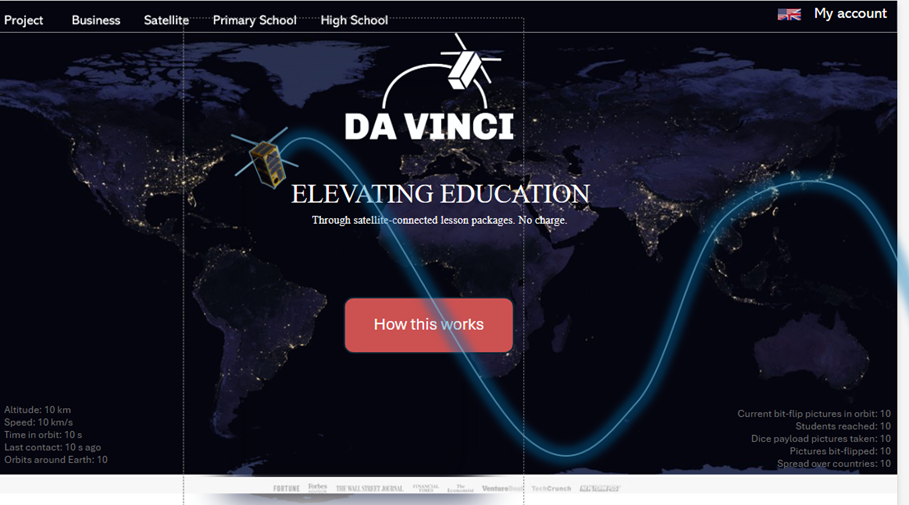
Website preliminary design
Technical Team
The technical department has been working hard to ensure that our satellite can be launched to space on time. Having recently joined the ESA Fly Your Satellite! programme, our team has been in contact with ESA to arrange certification for the launch. We are currently testing our subsystems and payloads to ensure they are fit for space. We are working through all of the feedback that ESA provided us with. At the beginning of next year, we will start the DVS Payloads Environmental Test Campaign at the ESA site. After that, we will begin the Data Board Environmental Test Campaign, which we are currently planning with ESA, and which is projected to take place next spring.
Testing of our Dice and Bit Flip payloads will take place at ESEC Galaxia in Belgium. This means that a few technical team members will have the opportunity to work with ESA in Belgium for two weeks. The payloads will undergo vibration and environmental testing at the facility using systems that are also used for ESA missions. Our satellite will undergo a 20 kN shaker test, during which it will be subjected to low, high and random frequencies. We will also use a TVAC chamber to test the satellite in thermal vacuum. This chamber operates in vacuum and cycles through extreme hot and cold temperatures to match the worst possible orbital conditions. Lastly, we will conduct radio frequency and electrical equipment testing. This will test the receiving and transmission power and capability of the antennas to ensure that communication with the satellite is possible. We will also test the electrical equipment to ensure that all systems are properly integrated and can produce sufficient power in space conditions.
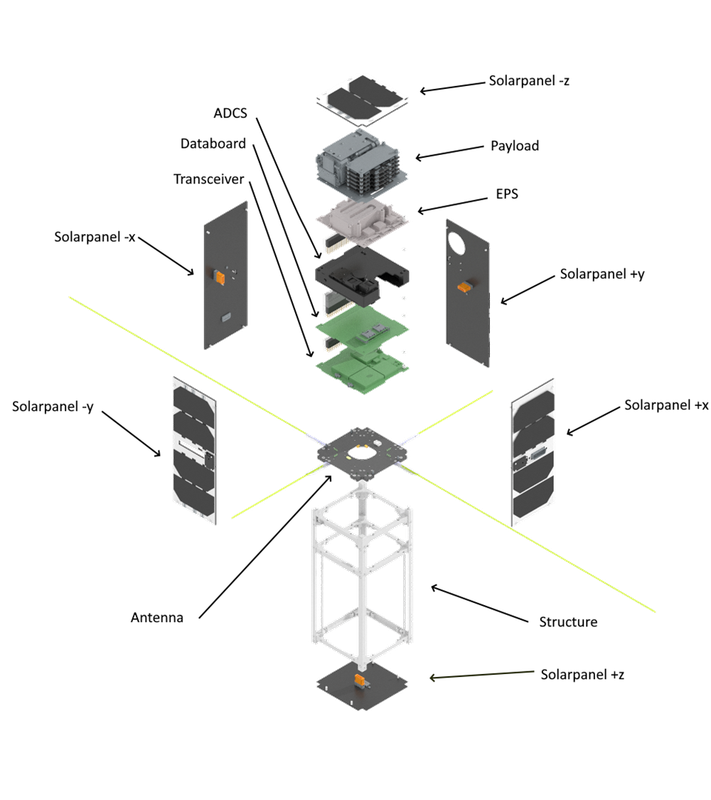
Satellite exploded view
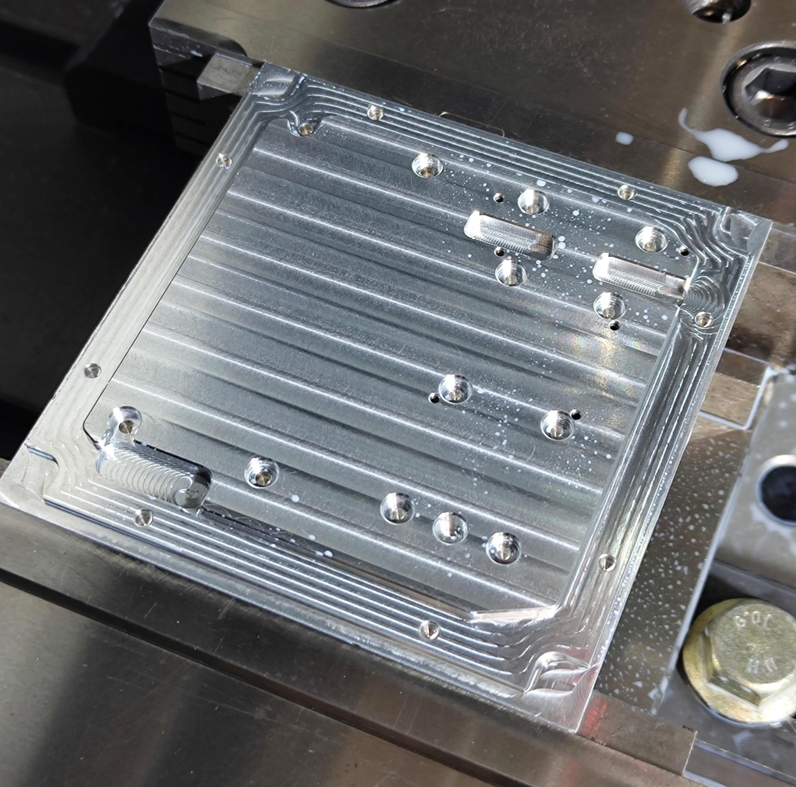
Machining the dice payload
Recently, the team has made a lot of progress on the design of the Dice payload, by fixing many previously occurring problems. Several mechanical, electrical, and software issues have been addressed to improve the reliability and functionality of the payload. Previous issues due to thermal expansion differences between PEEK and aluminium were accommodated by increasing clearances and adding force alignment features. Alignment pins were added to the baseplate, and PCB pockets were redesigned to safely hold electronics and sensors. A PCB patch was added to allow for reprogramming of the Arduino when integrated on the Dice payload. Furthermore, there were some bugs in the software that have now been fixed. The next steps for the Dice payload team are to finish the qualification test campaign and to continue working on the FlatSat integration and the actual flight model.
Next to the payloads, a lot of work is being done on the rest of the satellite systems. The team is running simulations of the satellite and checking if the payload and all other subsystems can survive thermal and vibrational stresses present in space. We are doing this by simulating the orbit of our satellite so that we can estimate the thermal loads and vibrations that could occur during orbit due to thermal fluxes, eclipses, solar angles, and attitude dynamics. The simulation will calculate the thermal and vibrational cycles the satellite will experience. From this data, we can design and test the systems.
The Electronics Ground Support Equipment (EGSE) is currently split into several components. The EGSE enables communication between us and the satellite. The image below shows the data boards for the electric power supply unit, the ADCS, the distribution box and the transceiver from left to right. The EGSE for the antenna connects to the transceiver EGSE, and the EGSE for the Dice payload connects to the Payload Manager on the data board. The goal is to connect all these modules to the same table, including the solar panel system, which will introduce additional challenges.
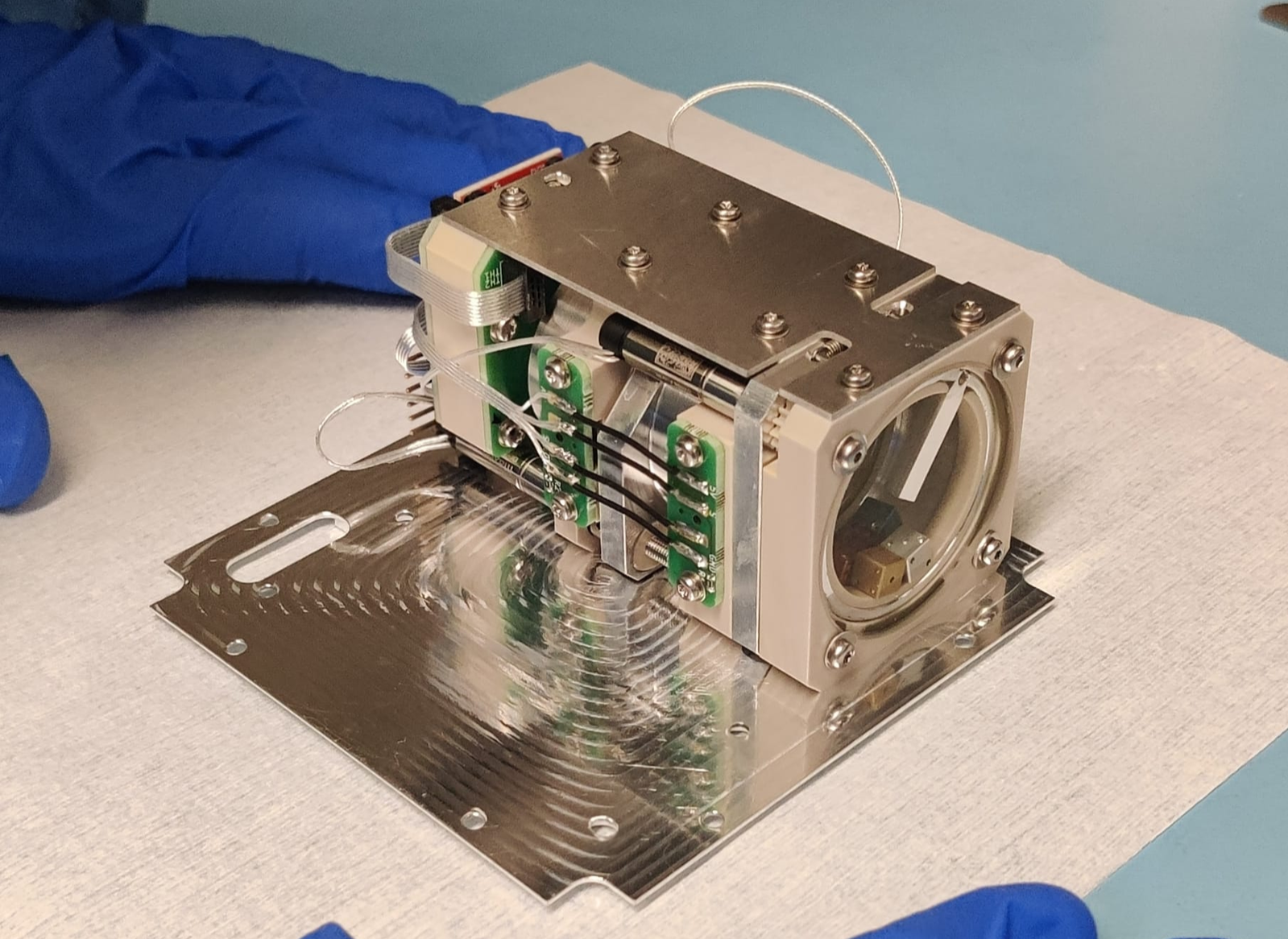
Dice payload
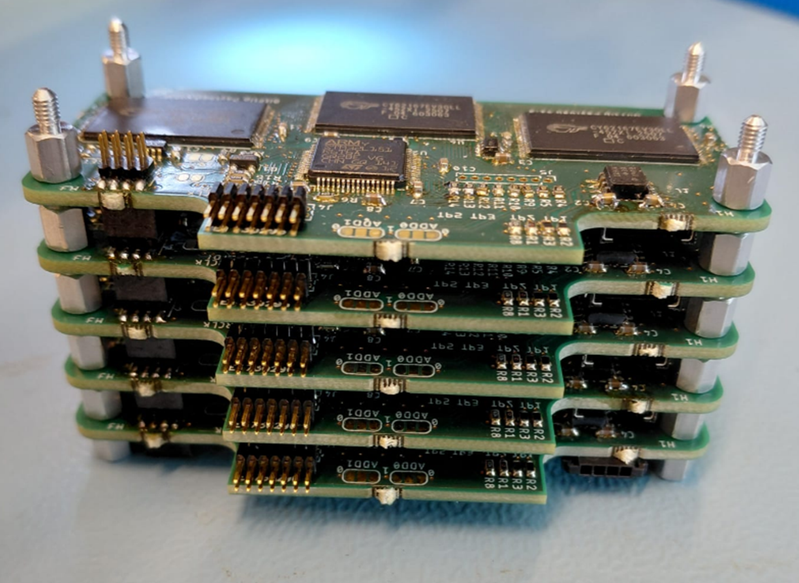
Bitflip payload
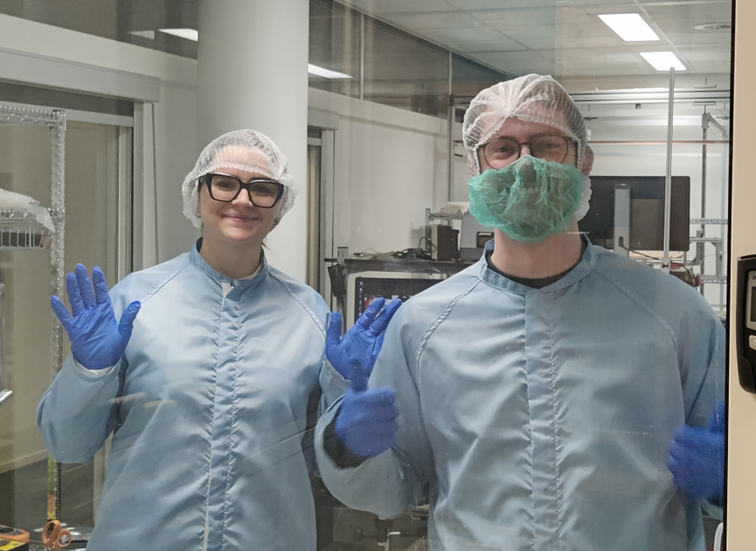
Working in the cleanroom
Education
The High School department is currently organizing an event at TU Delft’s campus. The event is a masterclass about Mars. High school students will have the opportunity to learn about the planet while having fun working in groups and playing games. The class begins with the students conducting their own research on Mars. They will then work in groups and finish the class with a Mars habitability board game. The event aims to educate high school students about space and spread awareness of our mission. We hope to create an enjoyable course that allows children to learn and have fun at the same time. Furthermore, the high school department is working on standardising our educational models. We are developing material for teachers and exercises for students.
If you visited either the TU Delft or ESA open days, you might have seen a new product we offer. We have made some colouring pages with space related themes for children. The Primary school department is continuing our testing at primary schools. We are working on completing our model on sustainability. For this module we are making 4 lessons of 90 minutes each.
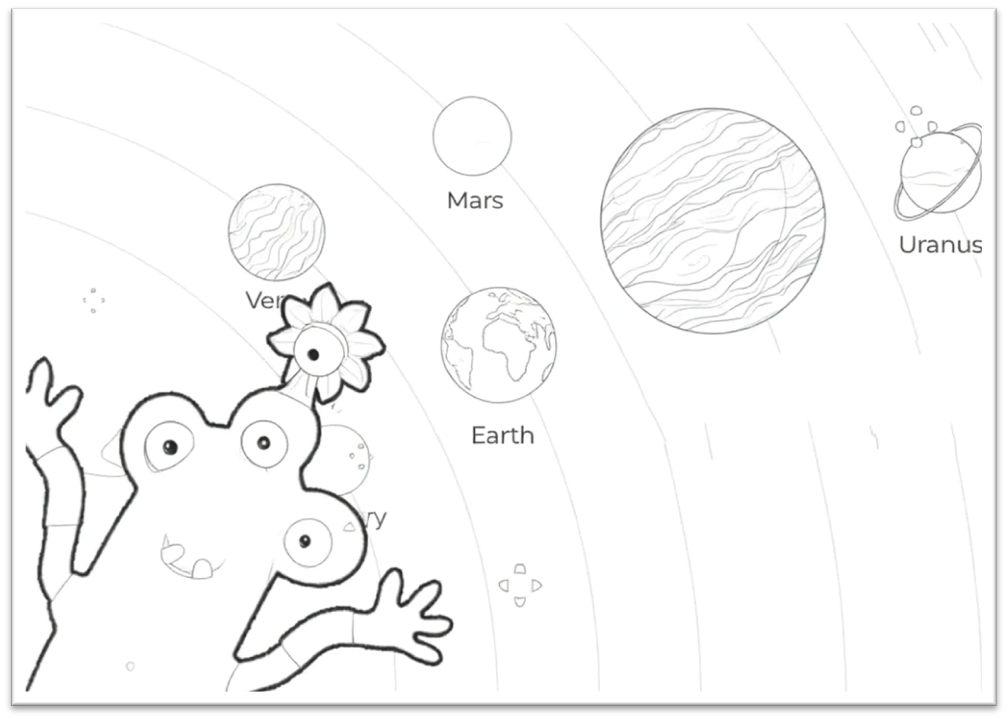
New colouring pages
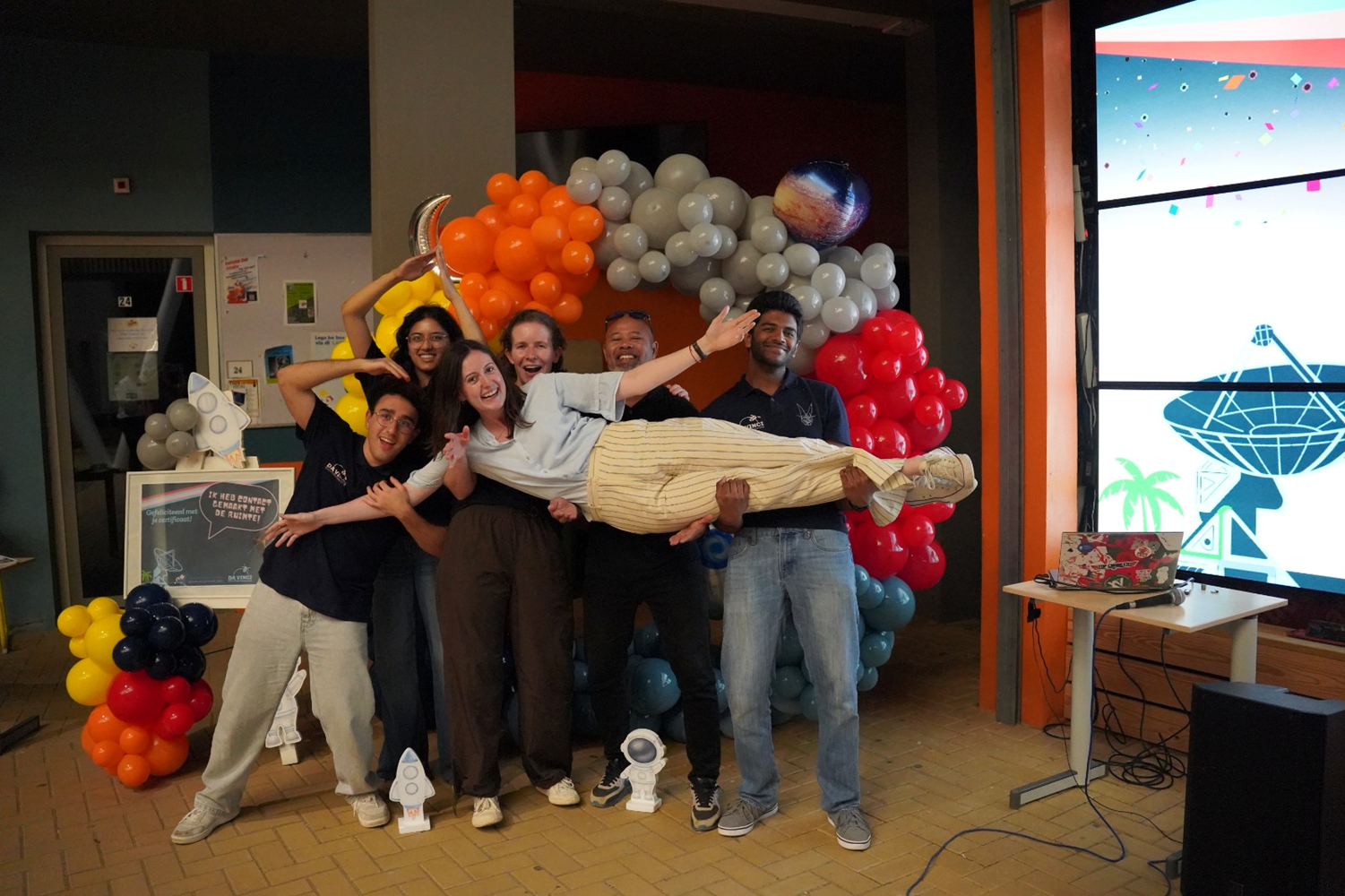
DVS in Bonaire
As you may recall from our previous newsletter, the Education Department visited Bonaire earlier this year. While there, we delivered one-hour lessons to 250 primary school students and 90- minute lessons to high school students. The high school lessons were delivered at levels 4, 5 and 6 of the VWO curriculum. We are continuing to work with teachers in Bonaire and maintain our influence on space education there. In the future, we also plan to teach HBO-level lessons. Our goal is to establish a long-term relationship with their government to maintain our collaboration. Additionally, we are working on spreading our lessons to other islands in the region: Aruba, Curaçao, Saba, Sint Eustatius and Sint Maarten. The Education team is mapping Dutch learning goals to develop our courses and promote longterm STEM knowledge in the Caribbean.
Business
The business department has been busy working on DVS’s exposure and publicity. Recently, DVS had the opportunity to attend two open days: one at ESA and one at TU Delft. There, we had the chance to speak to industry experts as well as to the younger generation. At the ESA open day, we had a stand at the ESTEC facility in Noordwijk, which attracted space enthusiasts from all over the world. Talking to people from a variety of backgrounds gave us the chance to inspire a bigger crowd and tell them about our work. In Delft, we had a stand at the Faculty of Aerospace Engineering. Many teenagers, accompanied by their parents, visited the faculty, and we got to talk to them as well. They enjoyed talking to us and hearing about our mission, our achievements, and our future plans. We really hope that we have inspired people to study and pursue or enjoy space exploration.
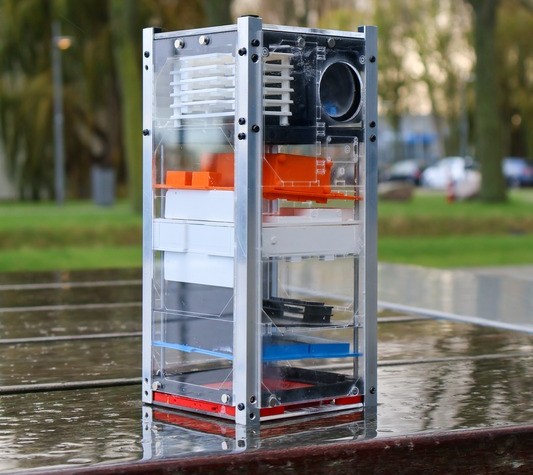
Cubesat model
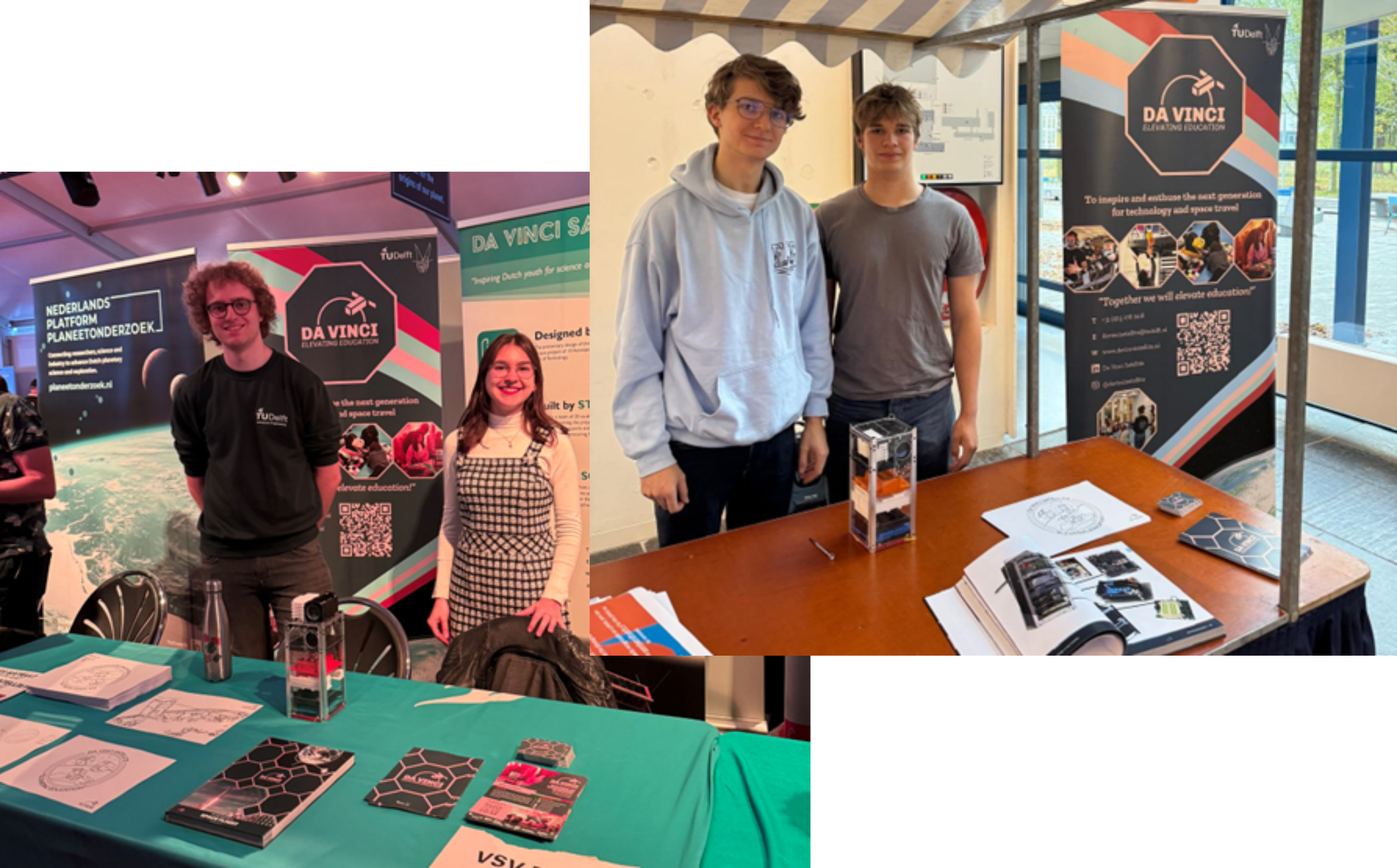
ESA and TUD Open Days
If you visited us a the open days you probably got a chance to look at our 3D printed model of our cubesat satellite. This model was recently designed and printed, and is a one to one replica of the satellite, to help people get a better understanding of the satellite structure. We are also currently working together with TU Delft TV, to make an Instagram reel. TU Delft TV visited us in our lab, and they are working on completing the reel in the near future. The communications department is also working on filming and editing a new promotional video for one of our suppliers, Edmund Optics.
The Finance Team has been in contact with our partners and supplier companies, ensuring the financial success of our mission by keeping track of the budget. Currently, our biggest expense is the design of the new website, since we will need external help. The finance team is busy estimating the cost of the website, to fit our demands. Guaranteeing a healthy budget regarding the post-launch maintenance and the development cost is the top priority that the finance team is currently working on.